
Smart Asian Homes 2025: Integrating Traditional Design Philosophy with Modern Home Technology
Picture walking into a home where voice-controlled lighting gracefully illuminates hand-carved wooden screens, where smart thermostats maintain perfect comfort while bamboo elements naturally purify the air, and where centuries-old design philosophies seamlessly dance with cutting-edge automation. This isn’t a fantasy—it’s the emerging reality of Asian smart homes in 2025. As homeowners across Asia and beyond seek to honor their cultural heritage while embracing technological advancement, a fascinating challenge emerges: how do you integrate sleek sensors and digital interfaces with design principles that have valued simplicity, natural materials, and spiritual harmony for millennia? The answer lies not in choosing between tradition and innovation, but in understanding how ancient wisdom can guide modern technology to create homes that are both intelligently connected and deeply rooted in cultural authenticity.
When ancient wisdom meets artificial intelligence
The convergence of traditional Asian design philosophy with modern home technology represents more than a simple aesthetic choice—it’s a fundamental reimagining of how we live. In 2025, smart home adoption in Asia has reached unprecedented levels, with over 78% of new residential constructions incorporating some form of intelligent automation. Yet the most successful implementations aren’t those that simply layer technology onto existing spaces, but rather those that allow ancient principles to inform technological integration.
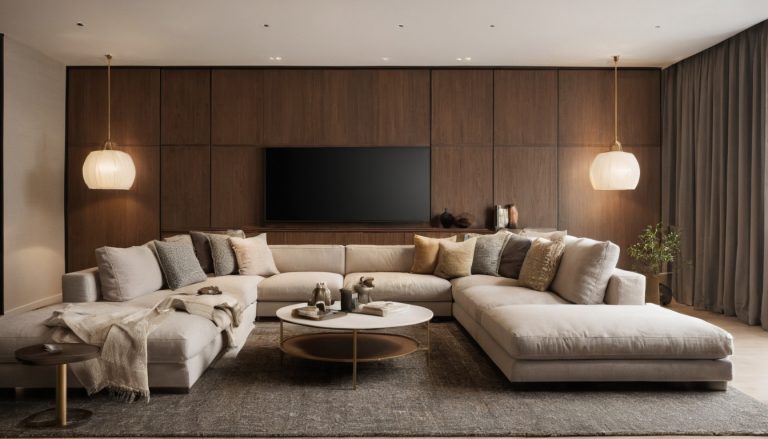
Consider how the Japanese concept of ma—the meaningful use of negative space—can guide the placement of smart sensors and devices. Rather than cluttering surfaces with visible technology, thoughtful integration means positioning devices where they serve function without disrupting visual harmony. Smart speakers become part of carefully curated vignettes, while motion sensors disappear into the natural flow of architectural elements.

This Photo was taken by Ketut Subiyanto.
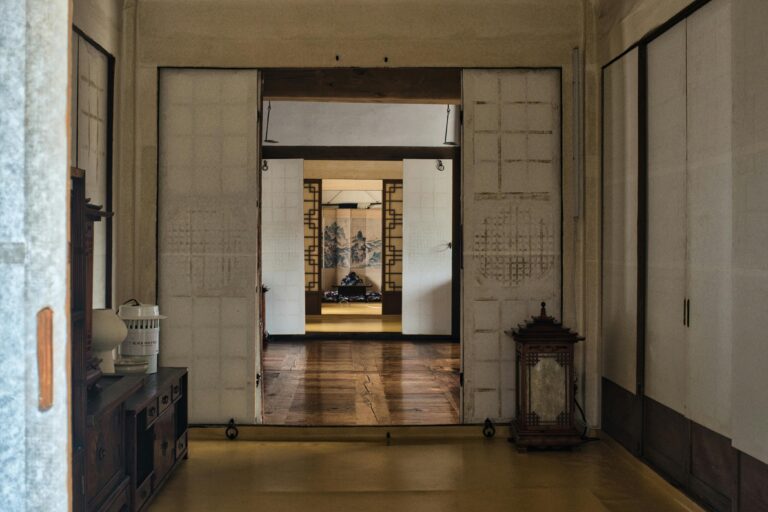
The traditional Korean Hanok architecture offers another compelling framework for smart home design. Korean Hanok architecture principles emphasize harmony with nature and efficient use of space—values that align perfectly with modern sustainable technology. Smart climate systems can work in concert with traditional ondol heating principles, while automated window coverings can optimize natural light in ways that honor the Hanok’s relationship with seasonal changes.
The philosophy of invisible technology
Traditional Asian design has always emphasized subtlety over ostentation, a principle that proves invaluable when integrating smart technology. The most sophisticated Asian smart homes of 2025 follow what designers call the “invisible integration” approach. Technology serves the inhabitant without announcing its presence, much like how traditional Japanese architecture allows natural elements to shape the living experience without overwhelming it.
This philosophy manifests in practical ways: smart lighting systems that mimic the quality and progression of natural light throughout the day, automated climate control that maintains the gentle air circulation valued in traditional Chinese courtyard homes, and audio systems that can disappear entirely into architectural elements while providing immersive soundscapes that complement meditation or tea ceremony practices.
Color harmony in the digital age
One of the most nuanced challenges in creating smart Asian homes involves maintaining the sophisticated color relationships that define traditional interiors while accommodating the visual requirements of modern technology. The gentle, nature-inspired palettes that characterize Asian design—soft earth tones, muted greens, and warm neutrals—don’t always play well with the stark blues and whites of LED indicators and digital displays.
Forward-thinking designers are addressing this challenge through what’s being called “chromatic integration.” Smart home interfaces are being customized to reflect traditional color philosophies, with zen-inspired color palettes informing everything from thermostat displays to smart mirror interfaces. Companies like Xiaomi and Samsung have begun offering region-specific interface themes that honor local aesthetic preferences while maintaining functionality.
| Traditional Element | Smart Technology Integration | Cultural Significance |
|---|---|---|
| Natural Wood Tones | Wood-grain smart panels and displays | Connection to nature, warmth |
| Stone Gray | Matte finished smart speakers | Stability, grounding |
| Soft Bamboo Green | Ambient smart lighting options | Growth, flexibility |
| Paper White | Minimalist smart home hubs | Purity, simplicity |
The key lies in understanding that color in traditional Asian design serves not just aesthetic purposes but also emotional and spiritual ones. When smart home technology respects these deeper meanings, it becomes part of the home’s harmonious ecosystem rather than an intrusive foreign element.

This Photo was taken by Mikhail Nilov.
Maximizing serenity in compact smart spaces
Asian urban environments have long mastered the art of creating tranquil, functional spaces within limited square footage. This expertise proves invaluable when designing smart homes that must accommodate both traditional design elements and modern technology infrastructure. The challenge becomes even more interesting when you consider that small modern homes require specific Asian interior design approaches to maintain their sense of calm and spaciousness.
Smart storage solutions inspired by traditional Japanese tansu chests now incorporate charging stations, cable management, and device storage without sacrificing their clean lines or natural material aesthetic. Multi-functional furniture pieces—a hallmark of efficient Asian design—are being reimagined with integrated technology. A traditional low table might now include wireless charging surfaces and hidden connectivity ports, while maintaining its role as a focal point for family gatherings or tea service.
The art of technological minimalism
Perhaps nowhere is the marriage of tradition and technology more evident than in the application of minimalist principles to smart home design. Traditional Asian minimalism isn’t about having less—it’s about having exactly what serves a purpose and brings joy. This philosophy, when applied to smart home technology, results in incredibly thoughtful selections of devices and applications.
Rather than adopting every available smart home gadget, successful Asian smart homes focus on technologies that genuinely enhance the traditional lifestyle elements they value: better air quality monitoring systems that work alongside natural ventilation principles, smart water features that maintain the gentle sounds valued in traditional gardens, and lighting systems that support the meditative qualities of evening routines.

This Photo was taken by Vlada Karpovich.
Craftsmanship meets connectivity
The integration of traditional Asian crafts into smart homes presents unique opportunities to honor cultural heritage while embracing technological advancement. Artisans across Asia are collaborating with technology companies to create pieces that serve both aesthetic and functional purposes, bridging centuries-old techniques with 21st-century connectivity needs.
Hand-woven textiles now incorporate conductive threads that can control lighting or temperature with simple touch gestures. Ceramic artists are creating smart home hubs that look like traditional pottery but house sophisticated processors and connectivity hardware. Traditional Asian crafts in modern home decor are being reimagined not just as decorative elements but as functional components of intelligent home systems.
This fusion represents more than clever product design—it reflects a deeper understanding that technology should serve human values rather than replace them. When a hand-carved wooden panel can adjust room acoustics automatically while serving as a beautiful architectural feature, technology becomes truly integrated rather than simply added.
The revival of traditional screens in smart spaces
Japanese shoji screens exemplify how traditional elements can be enhanced rather than replaced by modern technology. Contemporary versions of these iconic room dividers now incorporate smart glass technology, allowing them to shift from translucent to opaque with voice commands or smartphone controls. The result maintains the essential character of the shoji—its ability to create flexible, light-filled spaces—while adding new capabilities for privacy and light control.
Modern Japanese paper screens are being created with LED integration that allows them to serve as ambient lighting elements after dark. The gentle, diffused light they provide honors the traditional aesthetic while supporting contemporary lifestyle needs. Smart sensors can adjust the intensity and color temperature of these integrated lights based on time of day, activities, or personal preferences.

This Photo was taken by Ketut Subiyanto.
Embracing imperfection in a perfect digital world
The Japanese aesthetic philosophy of wabi-sabi—finding beauty in imperfection and impermanence—offers a refreshing counterbalance to the pursuit of technological perfection that often characterizes smart home design. In 2025, the most thoughtful Asian smart homes are those that allow for the unexpected, the slightly imperfect, and the beautifully human.
This might manifest as smart systems that intentionally introduce subtle variations in lighting to mimic natural conditions, or home automation that includes gentle randomness in its patterns to avoid the sterile predictability that can make smart homes feel artificial. Wabi-sabi principles in modern Asian interior design remind us that homes should feel lived-in and authentic, even when they’re intelligently managed.
Voice assistants in wabi-sabi-inspired smart homes might be programmed with more natural, conversational responses that include pauses and variations rather than perfectly consistent robotic replies. Smart home learning algorithms are designed to adapt to the rhythms and preferences of inhabitants without trying to optimize every aspect of daily life to mechanical perfection.
Natural materials in digital spaces
The use of bamboo in smart home design represents perhaps the most successful marriage of traditional materials with modern functionality. Bamboo in Asian interior design has always represented sustainability and flexibility—qualities that align perfectly with smart home values of efficiency and adaptability.
Contemporary bamboo applications in smart homes go far beyond decorative use. Bamboo fiber composites are being used to create smart home device cases that are both sustainable and beautiful. The natural antimicrobial properties of bamboo make it ideal for frequently-touched smart home interfaces, while its acoustic properties help create better sound environments for voice-controlled systems.
According to recent industry data from McKinsey research on sustainable materials, bamboo-based smart home products showed 23% higher satisfaction ratings among Asian consumers compared to traditional plastic alternatives, suggesting that material choices significantly impact user experience beyond pure functionality.
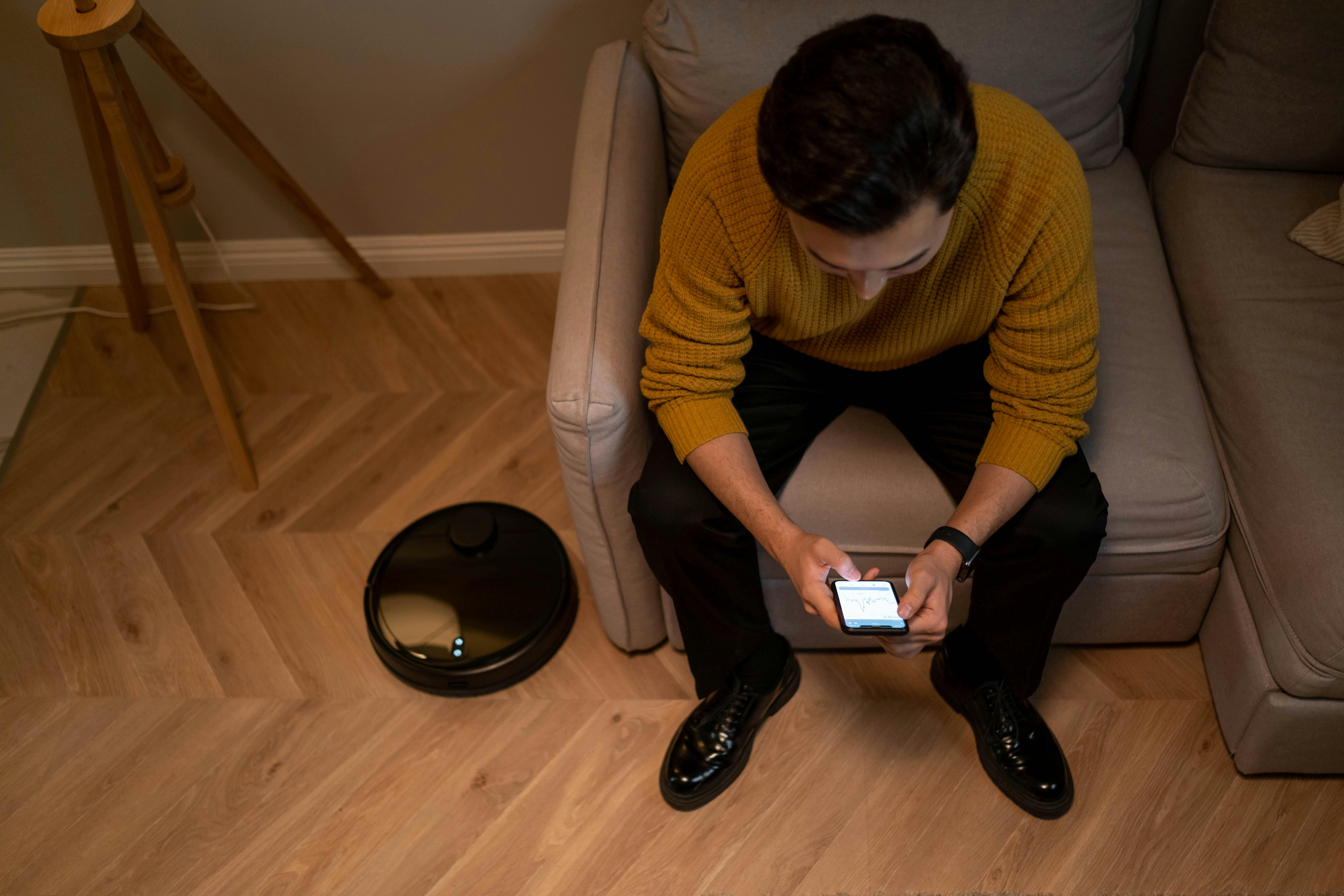
This Photo was taken by cottonbro studio.
Energy flow and digital harmony
The ancient practice of feng shui offers sophisticated guidance for arranging smart home technology in ways that support rather than disrupt the energy flow of living spaces. Feng shui for modern Asian interior design provides frameworks for technology placement that honor both practical and spiritual considerations.
Smart home sensors and devices, when positioned according to feng shui principles, can actually enhance the energy mapping of a space rather than interfering with it. Motion sensors placed in commanding positions allow inhabitants to feel secure and aware of their environment, while smart lighting systems can support the natural flow of qi through different areas of the home throughout the day.
The electromagnetic fields generated by smart home devices require careful consideration in feng shui-conscious homes. Designers are learning to balance connectivity needs with the traditional preference for bedrooms and meditation spaces that remain relatively free from electronic interference. This has led to innovative solutions like centralized smart home hubs located in utility areas, with wireless sensors that can monitor and control conditions throughout the home without requiring powered devices in every room.
Biophilic integration in smart environments
The connection between human wellness and natural elements—central to biophilic design—becomes even more important in technologically enhanced homes. Biophilic design with natural furniture provides a foundation for smart homes that actively support inhabitant health and wellbeing rather than simply providing convenience.
Smart air quality monitoring systems work in partnership with living plants to maintain optimal atmospheric conditions. Automated irrigation systems support indoor gardens that serve both aesthetic and air-purification purposes. Natural light sensors can coordinate with automated window treatments to maximize daylight while protecting furnishings, creating environments that change throughout the day in harmony with natural rhythms.
Research from the U.S. Green Building Council indicates that homes incorporating biophilic smart technology show 15% improvement in air quality metrics and 12% reduction in energy consumption compared to conventional smart homes, demonstrating quantifiable benefits of this integrated approach.
Sustainable technology for conscious living
Asian smart homes in 2025 are increasingly defined by their commitment to sustainability—a value deeply rooted in traditional Asian philosophy and urgently relevant to contemporary environmental concerns. Sustainable interior design and eco-friendly furniture trends are being enhanced by smart technology that actively supports environmental goals.
Energy monitoring systems provide real-time feedback on consumption patterns, allowing inhabitants to make conscious choices about their environmental impact. Smart appliances coordinate their operations to minimize peak energy usage, while renewable energy systems like solar panels are integrated seamlessly with traditional roofing materials and architectural styles.
Water conservation receives particular attention, with smart irrigation systems for traditional gardens that monitor soil conditions, weather forecasts, and plant needs to optimize water usage. Greywater recycling systems operate automatically while remaining completely hidden within the home’s infrastructure.
| Sustainable Feature | Smart Integration | Environmental Impact |
|---|---|---|
| Solar Roof Tiles | Automated energy distribution | 40-60% reduction in grid dependence |
| Smart Water Management | Leak detection and conservation | 25-30% reduction in water usage |
| Intelligent HVAC | Predictive climate control | 35-45% reduction in heating/cooling costs |
| Waste Sorting Systems | Automated recycling management | 80% improvement in recycling accuracy |
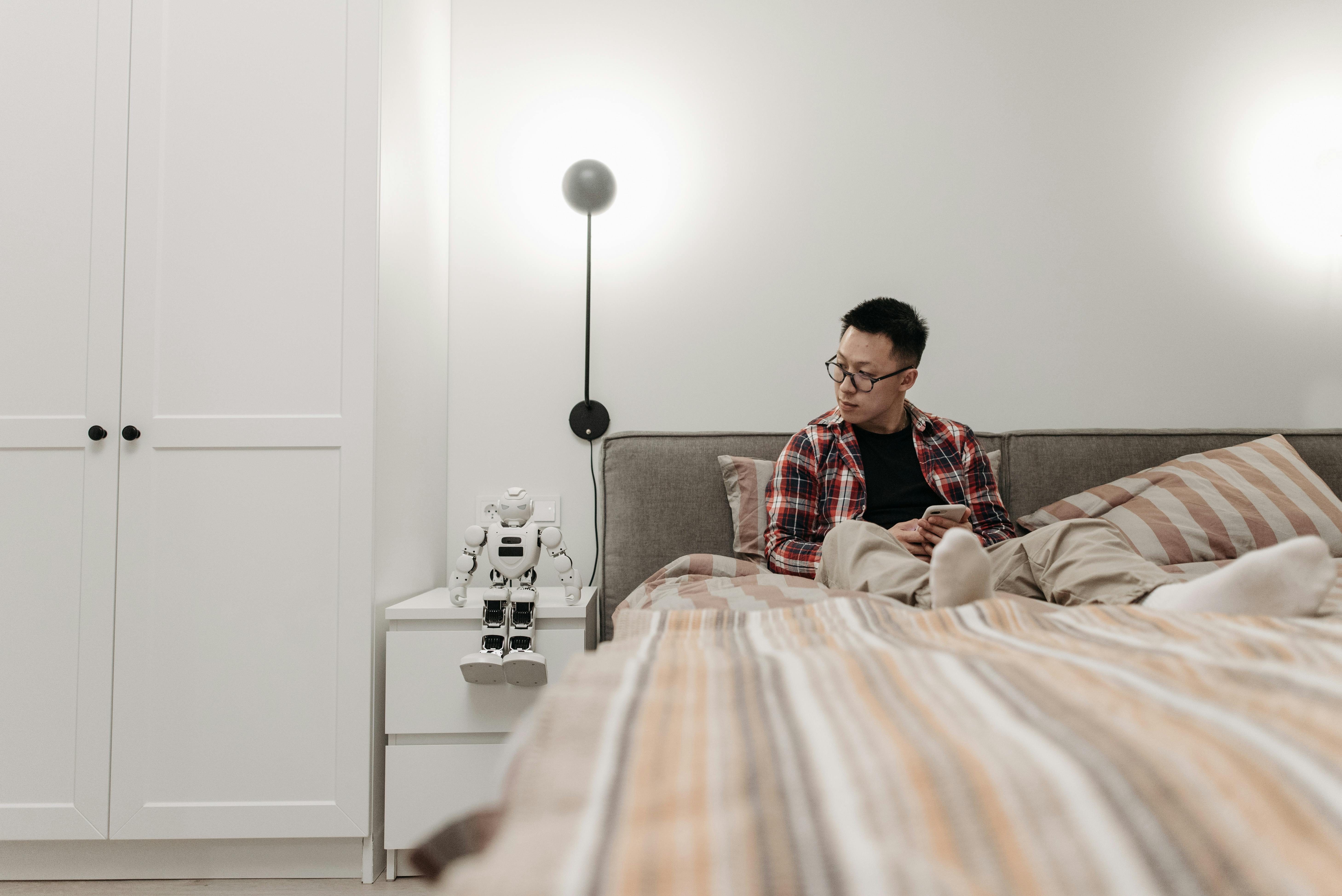
This Photo was taken by Pavel Danilyuk.
The future of culturally conscious automation
As we look toward 2026 and beyond, the most significant developments in Asian smart homes will likely come from artificial intelligence systems that understand and respect cultural context. Machine learning algorithms are being trained not just on efficiency metrics but on cultural preferences, lifestyle patterns, and aesthetic values specific to different Asian traditions.
Voice assistants are becoming more culturally literate, understanding not just language but cultural nuances about appropriate timing for certain requests, respectful ways to phrase suggestions, and sensitivity to traditional practices like prayer times or meditation schedules. Smart home systems are learning to recognize and support traditional lifestyle patterns like afternoon tea ceremonies, evening family gatherings, or seasonal celebrations.
The integration extends to understanding traditional social hierarchies and family structures. Smart homes can adapt their responses and suggestions based on who is speaking and what their role is within the household, showing deference to elders while remaining accessible to all family members.
According to Statista’s Smart Home Market Outlook for Asia, cultural customization features showed 67% higher adoption rates in 2025 compared to generic smart home solutions, indicating strong consumer preference for technology that respects and enhances rather than replaces traditional living patterns.
Frequently asked questions
How do you hide smart home technology in traditional Asian interiors?
The key is integration rather than concealment. Choose devices in natural materials like bamboo or wood finishes, position sensors within architectural elements like screens or panels, and select neutral colors that complement traditional palettes. Focus on multi-functional pieces that serve both aesthetic and technological purposes.
Can smart home systems work with feng shui principles?
Yes, smart home technology can actually enhance feng shui when thoughtfully implemented. Position devices to support commanding views and natural energy flow, use smart lighting to balance yin and yang throughout daily cycles, and place electromagnetic devices away from sleeping and meditation areas while using wireless sensors for monitoring.
What smart home features best complement minimalist Asian design?
Focus on invisible integration: in-wall smart panels, furniture with built-in charging and connectivity, automated climate control that maintains natural air circulation, and lighting systems that mimic natural light patterns. Choose quality over quantity, selecting fewer devices that serve multiple purposes.
How do you maintain cultural authenticity while adding modern technology?
Start with understanding the cultural values and principles behind traditional design, then choose technologies that support rather than replace these values. Use traditional materials for device housings, respect color and spatial relationships, and program smart systems to support traditional lifestyle patterns and practices.
Are there smart home solutions specifically designed for Asian markets?
Yes, many Asian technology companies now offer region-specific products and interfaces. Look for devices with culturally appropriate color schemes, voice assistants trained in local languages and customs, and apps designed with Asian aesthetic preferences and family structures in mind.
What’s the best approach for retrofitting traditional homes with smart technology?
Begin with wireless solutions that don’t require major architectural changes. Focus on lighting, climate control, and security systems that can integrate with existing infrastructure. Work with designers familiar with both traditional architecture and smart home technology to ensure respectful integration.
The harmony of heritage and innovation
The most successful Asian smart homes of 2025 prove that embracing technology doesn’t require abandoning cultural heritage. Instead, they demonstrate how ancient wisdom can guide and improve modern innovation, creating living spaces that are both intelligently connected and deeply authentic. The key lies in understanding that traditional Asian design principles—harmony with nature, respect for materials, emphasis on family and community, and pursuit of balance—are not obstacles to overcome but valuable guides for implementing technology thoughtfully.
As we move forward, the homes that truly succeed will be those that use smart technology to amplify the best aspects of traditional living: deeper connection to natural rhythms, more mindful use of resources, stronger family bonds, and greater harmony between indoor and outdoor spaces. The integration of minimalist interior design with contemporary furniture shows us that this balance is not only possible but increasingly preferred by discerning homeowners.
The future belongs to homes that are not just smart, but wise—spaces that combine the efficiency and convenience of modern technology with the emotional intelligence and cultural depth of traditional design. In these thoughtfully integrated environments, inhabitants don’t have to choose between honoring their heritage and embracing innovation. They can have both, creating homes that are truly responsive to human needs, cultural values, and environmental responsibility. This represents not just a trend in interior design, but a new model for how technology can serve culture rather than supplanting it.