Living Room Layout Rules: How to Size Sofas, Rugs, Tables, and Walkways Before Buying
A sofa can fit the wall and still ruin the room if it blocks the balcony door, pushes the coffee table out of reach, or leaves guests turning sideways to pass. Measure the room envelope before shopping, then treat every sofa, rug, table, and media unit as a footprint that must pass a daily-use test.
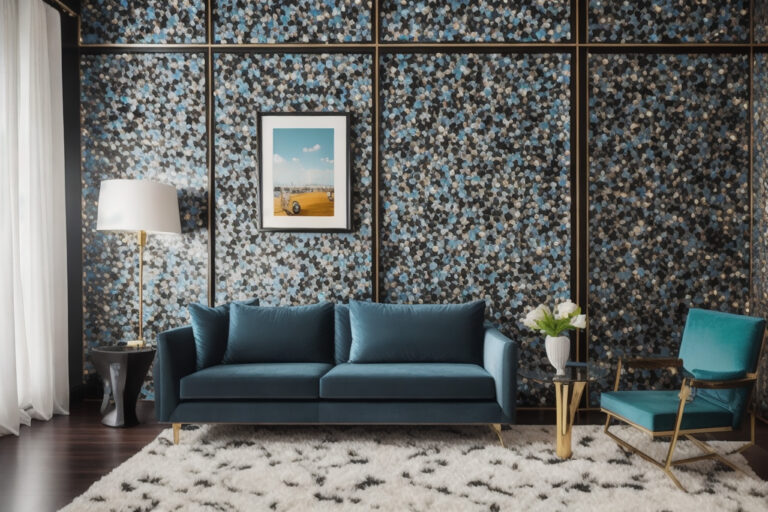
Living Room Layout Rules: How to Size Sofas, Rugs, Tables, and Walkways Before Buying shown as a planning reference for layout, scale, and material decisions.
Start a living room layout by measuring the room envelope before choosing furniture
A living room layout should begin with the room envelope, not the sofa. Before ordering furniture, record wall lengths, openings, radiators, outlets, window heights, door swings, and circulation paths so every later choice is tested against fixed constraints.
What fixed constraints in a living room cannot be solved by styling?
The buyer’s first problem is not taste. It is the balcony door that needs to open, the floor vent that should not sit under a rug, the radiator that needs air around it, and the outlet that disappears behind a deep sectional. Total room area can make a space sound generous, while net usable floor area is the area left after door swings, hearth projections, bay windows, columns, angled walls, built-ins, and required passage routes are deducted.
- Measure wall-to-wall dimensions, then note baseboard depth and any out-of-square corners.
- Record ceiling height, window sill height, curtain stack space, and operable window access.
- Measure door width, door swing, balcony clearance, hallway turns, stair width, and elevator access before assuming delivery will work.
- Mark outlets, switches, data points, HVAC grilles, radiators, fireplace hearths, columns, and floor vents.
- Keep maintenance access visible: heat sources, ventilation, electrical plates, and window hardware should not become trapped behind upholstery.
New furnishings, adhesives, finishes, and cleaning products can also affect indoor air. The U.S. Environmental Protection Agency recommends increasing ventilation when using products that emit volatile organic compounds indoors, so the test plan should preserve access to openable windows or other ventilation paths where possible EPA guidance on VOCs and indoor air quality.
How should a buyer make a quick living room test plan before ordering?
- Draw the room at a simple scale, such as 1/4 inch equals 1 foot, or enter the same dimensions into a digital floor plan.
- Add immovable elements first: doors, windows, hearths, built-ins, radiators, vents, columns, and outlets.
- Cut paper furniture templates at the same scale, or tape full-size footprints on the floor with painter’s tape.
- Leave a hand-measuring tolerance around furniture rather than treating catalog dimensions as installation clearances.
- Walk the mocked-up route while carrying a laundry basket, tray, or child’s toy bin, because daily movement exposes failures a plan view can hide.
Once the room envelope is honest, the sofa stops being a style fantasy and becomes a measured object with depth, length, side clearance, and a delivery path.
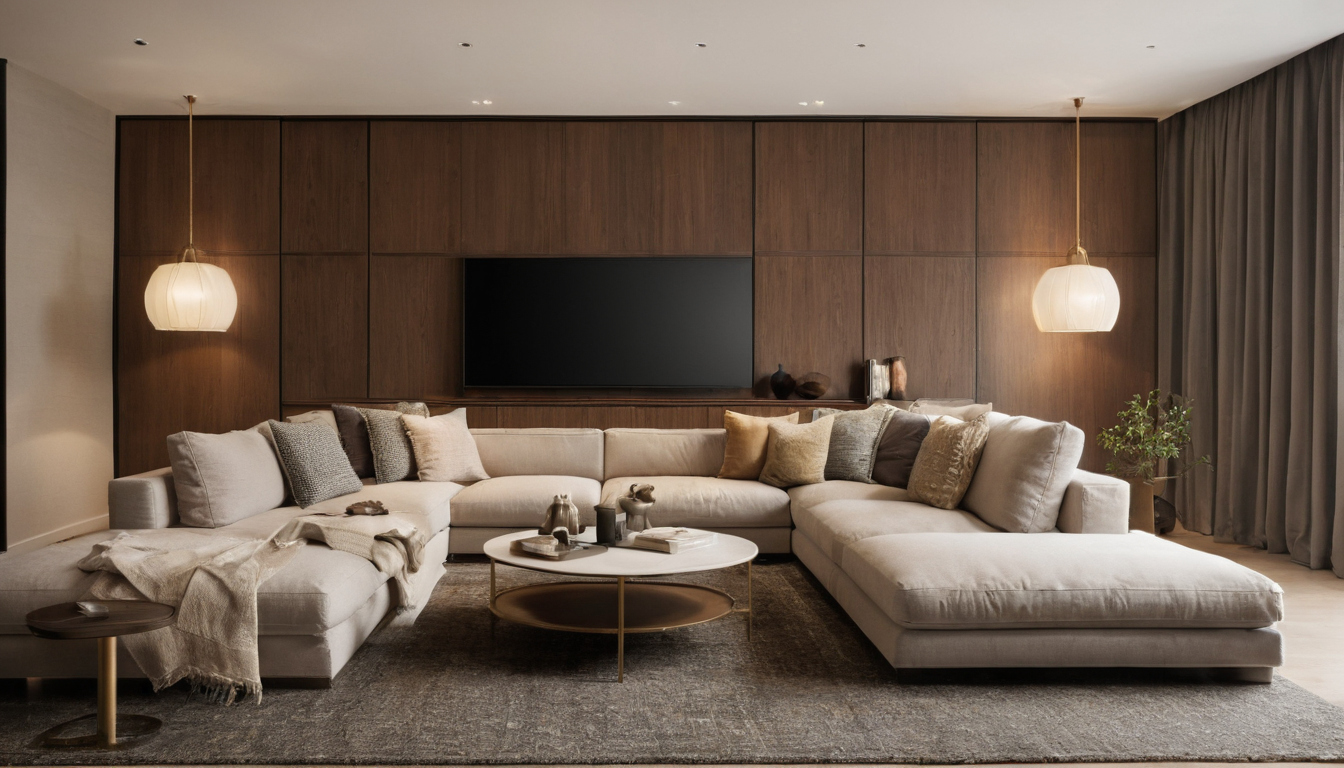
Start a living room layout by measuring the room envelope before choosing furniture shown with finish, fixture, and clearance relationships visible.
The right sofa size depends on seating depth, wall length, conversation distance, and delivery access
The sofa is usually the living room’s largest movable object, so its size must be judged in plan and in section: a frame can fit the wall yet fail because the seat is too deep, the arms block circulation, the chaise interrupts a doorway, or the package cannot turn through the hall.
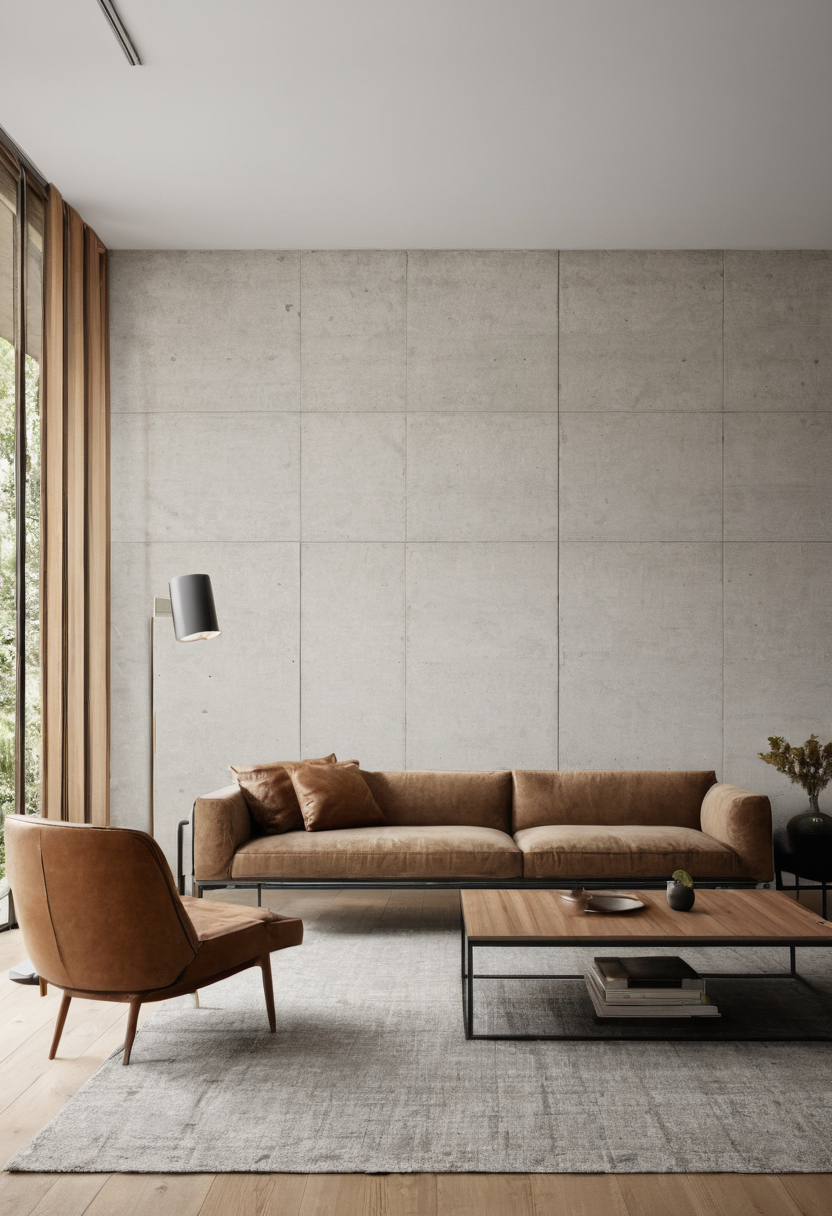
The right sofa size depends on seating depth, wall length, conversation distance, and delivery access shown with floor, wall, and fixture relationships visible.
| Product type | Typical size range | Layout risk to test before ordering |
|---|---|---|
| Loveseat | About 52 to 72 inches wide | Can look under-scaled on a long wall unless paired with chairs or a larger rug. |
| Apartment sofa | About 68 to 80 inches wide | Often solves delivery and wall-length limits, but may seat only two adults comfortably. |
| Standard sofa | About 82 to 96 inches wide | Needs end clearance for lamps, tables, drapery, outlets, and walking paths. |
| Sectional | Commonly 95 to 130 inches across, with chaise depths often near 60 to 70 inches | The return can create a dead corner or block a balcony, fireplace, or dining route. |
| Modular unit | Often 30 to 40 inches per module | Flexible in delivery, but seams and loose modules need enough rug grip and floor space. |
| Lounge chair | About 28 to 36 inches wide and 32 to 40 inches deep | Looks small on a product page, then consumes the corner needed for circulation. |
How long should a living room sofa be for the wall or focal point?
Sofa length should be set by the usable wall or focal width, not the full room width. A small apartment may work better with a 72-inch apartment sofa and one mobile chair than an 88-inch sofa jammed between a radiator and a door casing. A medium room can often take a standard sofa if there is 12 to 18 inches of breathing room at each end. In an open-plan room, the sofa may float, but its back still defines a boundary that diners, children, and guests must walk around.
When does a sectional sofa work better than a sofa and chairs?
A sectional works best when the room has one dominant use, such as TV viewing or family lounging, and the chaise does not cross the main route. A sofa and chairs work better in a formal conversation room, a rental apartment, or a living-dining plan that needs future flexibility. If accessibility is part of the brief, treat clear approach areas as a separate plan layer: the U.S. Access Board explains that ADA clear floor space requirements apply to accessible elements and include a 30 by 48 inch minimum clear floor or ground space in covered conditions, not as a universal private-home sofa rule.
Accessible dining or work edges in a living-dining room need their own height test. The 2010 ADA Standards set accessible dining and work surfaces at 28 to 34 inches above the finish floor or ground in covered conditions, which is a different requirement from choosing a sofa arm or console height.
Which sofa dimensions affect comfort more than style?
Seat height, seat depth, arm height, back pitch, and cushion firmness affect daily comfort more than upholstery color. Upright conversation seating often feels comfortable around 16 to 19 inches high with a 20 to 24 inch seat depth; deeper lounge sofas can feel luxurious for sprawling but awkward for shorter adults. Furniture researchers note that human body size is a relevant input for chair design, which is why the unnamed buyer in this planning scenario tests posture before judging fabric. Delivery is the last sofa dimension: measure door clear width, stair turns, elevator cab depth, landing space, and the packaged frame. Once the sofa footprint is believable, the rug can size the seating group instead of merely covering leftover floor.
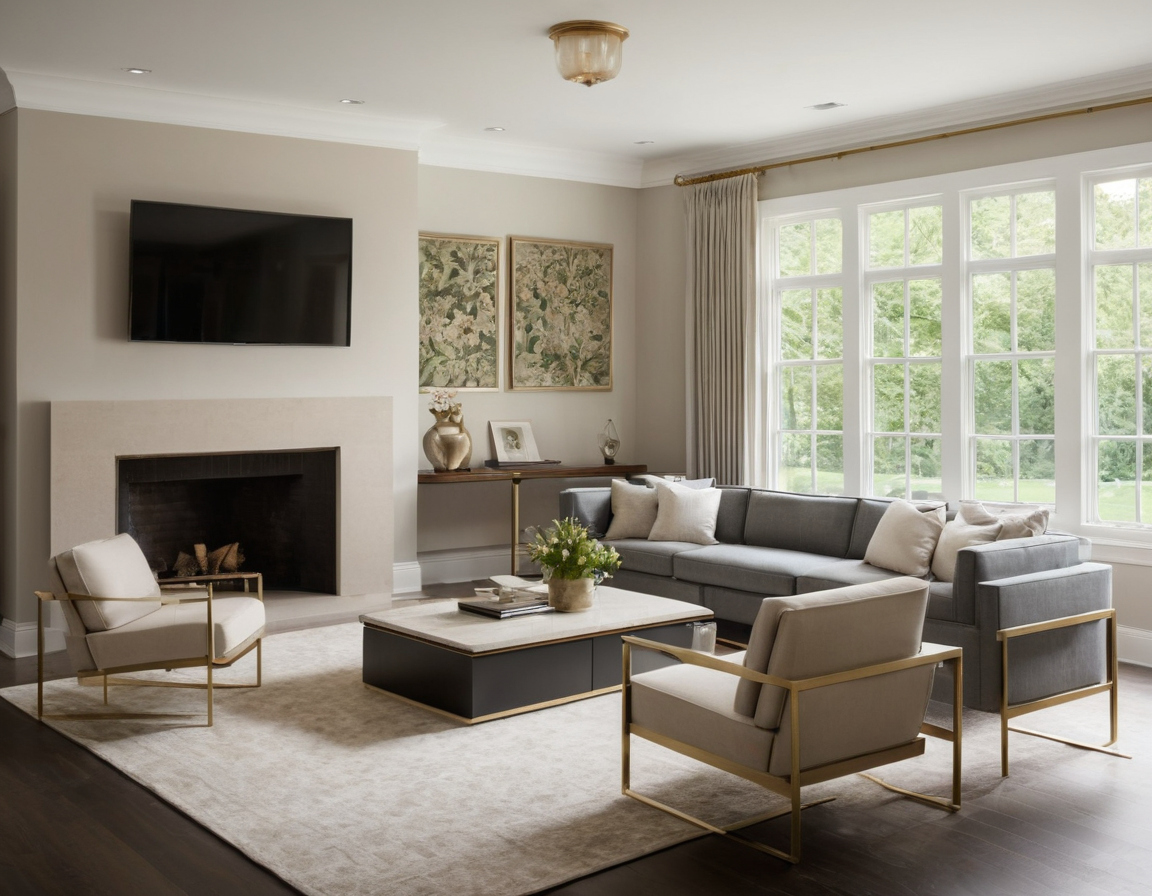
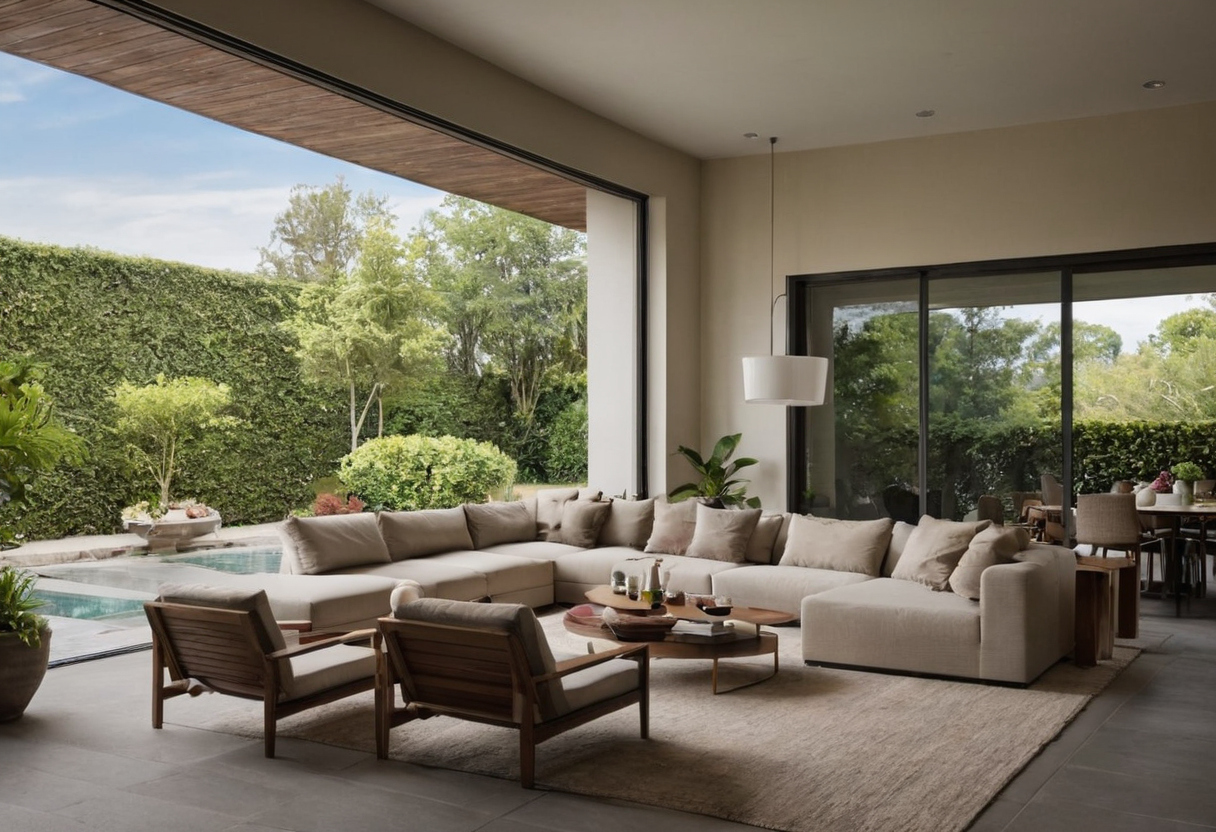
Seat height, seat depth, arm height, back pitch, and cushion firmness affect daily comfort more than upholstery color shown with floor, wall, and fixture relationships visible.
A living room rug should size the seating group, not simply fill the floor
A living room rug works when it defines the seating zone and supports furniture relationships, so choose rug size after sofa and chair positions are known, not before.
What rug size works with a sofa, chairs, and coffee table?
The buyer’s near-mistake is familiar: a rug that looks generous on a product page becomes a postage stamp under a sofa. Common retail sizes such as 5 by 8, 6 by 9, 8 by 10, 9 by 12, and 10 by 14 feet each imply a different furniture plan.
- Sofa only: a 6 by 9 or 8 by 10 foot rug often works if the front sofa legs sit on the rug and the coffee table is centered.
- Sofa with two chairs: an 8 by 10 or 9 by 12 foot rug usually gives the chairs enough visual connection to the sofa.
- Open-plan seating group: a 9 by 12 or 10 by 14 foot rug can create a room within a room without adding a partition.
- Small room risk: leave some exposed floor at the perimeter rather than forcing rug edges tight to walls, baseboards, or radiator covers.
How should a rug sit under an L-shaped couch or sectional?
An L-shaped sectional needs a rug large enough to relate to both arms of the sofa. The common error is choosing a rug that fits only inside the corner, leaving the chaise, return, or lounge end visually detached. For most sectionals, the rug should run under the front legs of both sofa runs and extend beyond the coffee table zone.
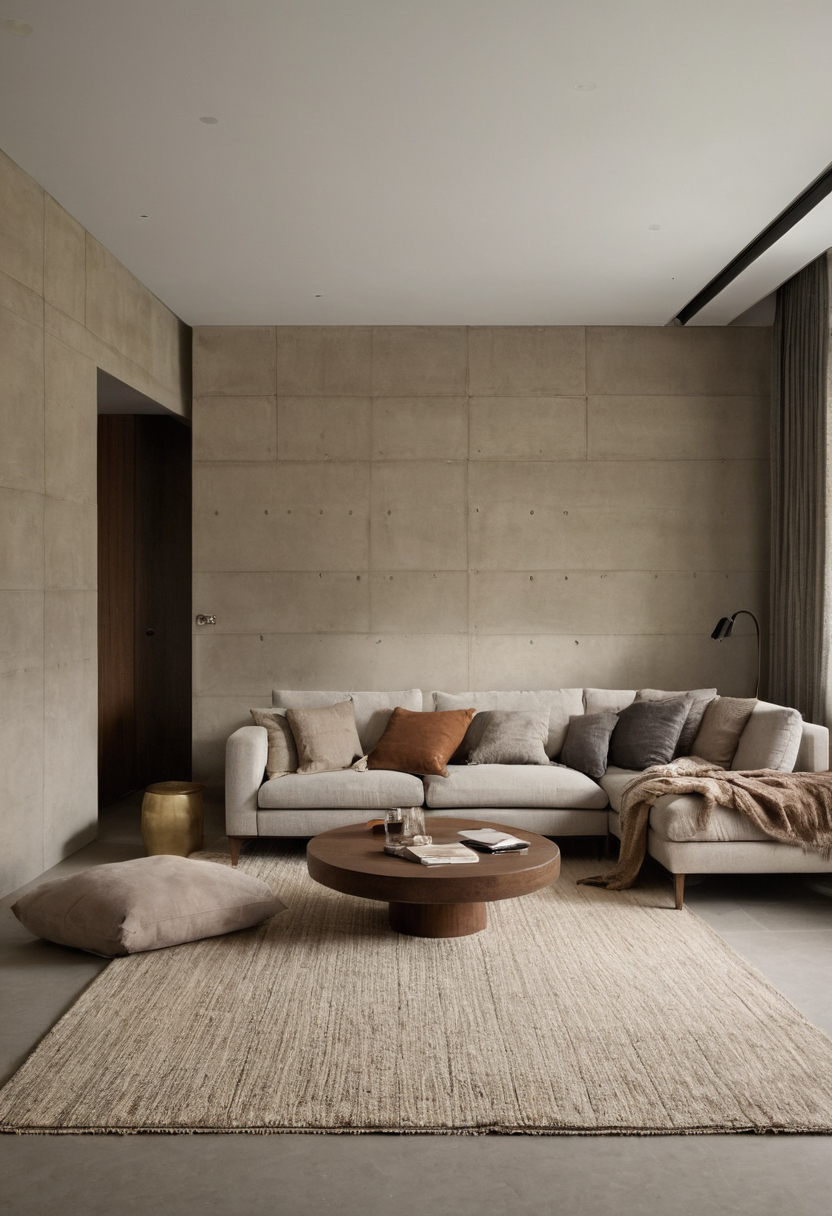
A living room rug should size the seating group, not simply fill the floor shown as a planning reference for layout, scale, and material decisions.
Custom sizing becomes sensible when the sectional faces a TV wall, a balcony door cuts through one side, or a standard 8 by 10 foot rug leaves one leg of the composition stranded. If the household includes children, older adults, or bodies that do not match standard sizing assumptions, test actual sitting, rising, and walking paths rather than relying on generic charts. The chair-sizing study cited above states that its height-based method applies to adults with standard body proportions and excludes groups such as children, adolescents, seniors, and people above the stated body-mass limit.
Which rug materials change living room layout decisions?
Rug material changes clearance and maintenance, not just color. Wool has resilience under furniture feet. Cotton flatweaves stay low but may need a grippy pad. Jute and sisal add texture but can feel uneven under delicate chair legs. Dense synthetics suit children, pets, and high traffic. Viscose blends can mark easily, so avoid them where drinks, shoes, or daily lounging dominate.
Pile height must clear door swings, let coffee tables sit level, and avoid trapping robotic vacuums. Furnishings are among the indoor sources of volatile organic compounds identified by the U.S. Environmental Protection Agency, so a rug plan should include ventilation during installation and early use where product odor or new adhesives are present. For stone floors or stone-topped tables near the rug, the Natural Stone Institute recommends neutral cleaners, stone soap, or mild liquid dishwashing detergent with warm water. Once the rug holds the seating group in place, the next test is whether tables and media units sit within natural reach and view.
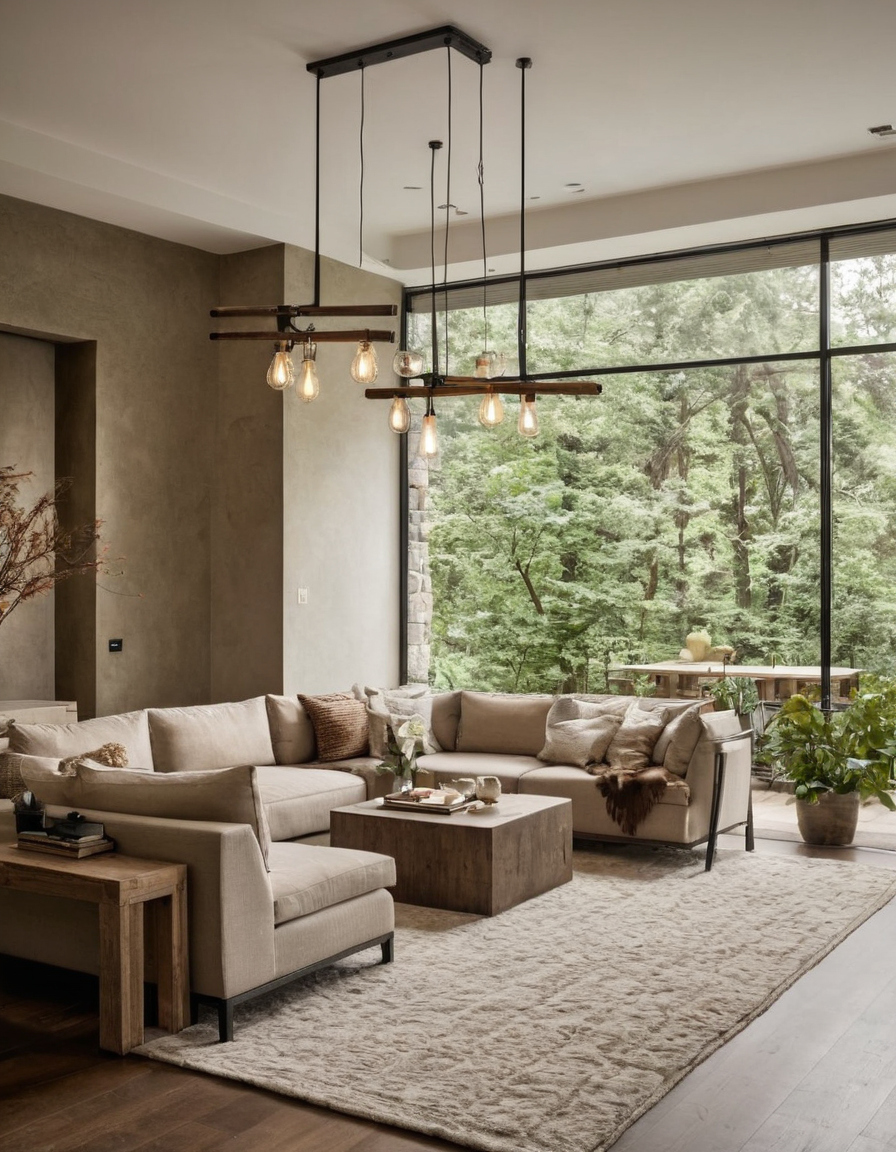
Pile height must clear door swings, let coffee tables sit level, and avoid trapping robotic vacuums shown as a planning reference for layout, scale, and material decisions.
Coffee tables, side tables, and media units should be sized by reach and viewing behavior
Living room tables and media furniture should be chosen after seating height, viewing distance, and traffic routes are fixed. The right coffee table is reachable without blocking knees, the side table meets the arm height, and the media unit supports screen position, glare control, storage, and cable access.
How far should a coffee table sit from a sofa in a daily-use living room?
A coffee table usually works best about 14 to 18 inches from the sofa edge: close enough for a drink, far enough for knees and shins. In a small apartment, a narrow oval, round table, or nesting pair softens the collision zone. In a family TV room, an upholstered ottoman can absorb impact, but a tray is needed for cups and remotes.
Coffee table height should sit near the sofa seat height, often equal to it or a little lower. Length is usually safest at roughly one-half to two-thirds of the sofa length, so the table serves the main seats without becoming a barrier. Rectangular tables suit straight sofas; round and oval tables help where chairs angle into the group.
What size side table works beside a sofa or lounge chair?
A side table should land near the sofa arm height or within easy reach of the seated hand. If the table is much higher than the arm, a lamp feels top-heavy; if much lower, the sitter has to lean for a glass. This is where body size matters: chair-sizing research published in Biomimetics and hosted by NLM PMC links functional chair dimensions to intended users’ height range, which is the same ergonomic logic behind table reach.
Side table diameter or width should hold the real objects in the room: lamp base, book, phone, coaster, and sometimes a small speaker. Stone tops feel stable but need protection from acidic drinks; glass keeps visual weight low but shows fingerprints; lightweight pedestal tables need a wide enough base to resist tipping beside deep lounge seating.
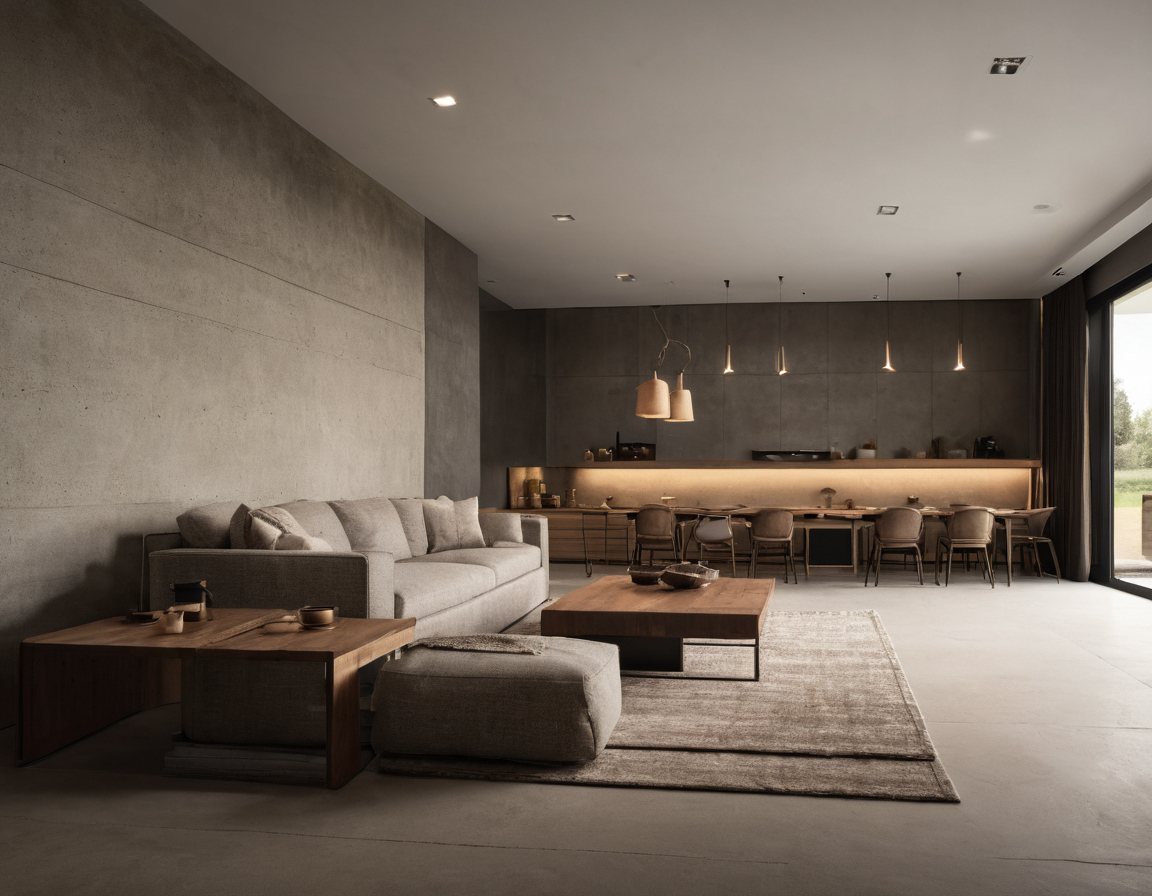
Coffee tables, side tables, and media units should be sized by reach and viewing behavior shown with floor, wall, and fixture relationships visible.
How should TV viewing distance affect living room furniture placement?
TV placement should begin with the sofa, not the screen wall. A compact room may need a smaller screen or a low media unit so the seated eye line meets the screen comfortably. A larger room can take a larger screen, but only if the seating group does not split conversation into a row of cinema seats.
Media units also need rear cable space, ventilation around equipment, and access for cleaning. If a cabinet sits on a cold exterior wall or near a damp corner, leave inspection space; the U.S. Environmental Protection Agency advises that condensation and wet or damp spots should be fixed promptly to prevent mold growth in homes, as explained in its guide to mold and moisture. Once tables and screen walls are placed, the next test is whether people can still move through the room without sidestepping furniture.
Living room walkways need clear routes around furniture, doors, and shared circulation paths
A living room layout fails when people turn sideways, step over table corners, or shift a chair to open a door. Walkway planning should separate main circulation routes, secondary paths to seats, door swings, balcony access, and any accessible, emergency, or daily-care needs.
How much space should be left between living room furniture for walking?
Main routes through a living room usually need about 36 inches of clear width to feel ordinary rather than negotiated. Secondary paths to a lounge chair, window, or bookshelf can often work at 24 to 30 inches, while occasional squeeze points should not sit on the path to a balcony, bathroom, kitchen, or entry door.
Accessible planning needs a different test. The U.S. Access Board explains ADA clear floor and turning-space guidance for accessible elements, including wheelchair approach and use. ADA is not automatically a general rule for every private home, but the 2010 ADA Standards specify a 30 by 48 inch clear floor space for wheelchair positioning in accessible design. Older DOJ ADA material states that the 1991 standards were written for places of public accommodation and commercial facilities; the same page notes that the 1991 standards applied to new construction and alterations until March 14, 2012, and that the 2010 standards became effective March 15, 2012.
Where a living room includes an accessible desk, dining pull-up, or work surface, knee and toe space should not be guessed from sofa clearance. The U.S. Access Board explains that knee and toe space can reduce reach to operable parts and, where required, must be at least 30 inches wide, up to 25 inches deep to the leading edge of the clear floor space, and at least 17 inches deep.
Which living room furniture creates hidden clearance conflicts?
Operating furniture needs more room than the product page footprint. Recliners need back and footrest clearance, sleeper sofas need the full bed-open depth, swivel chairs need a clean turning circle, and storage ottomans, media drawers, cabinet doors, and nesting tables need pull-out space. Hinged doors, balcony doors, closet doors, and built-ins should be drawn with their swing arcs before anything is ordered.
Maintenance clearance also shapes the plan. Leave access to radiators, floor registers, curtains, plant corners, and stone-topped tables; the Natural Stone Institute warns that abrasive scouring powders or creams can scratch natural stone surfaces. Even minimalist living rooms still need functional clearances, so the next test is whether the whole layout scenario is too large, too small, or misaligned.
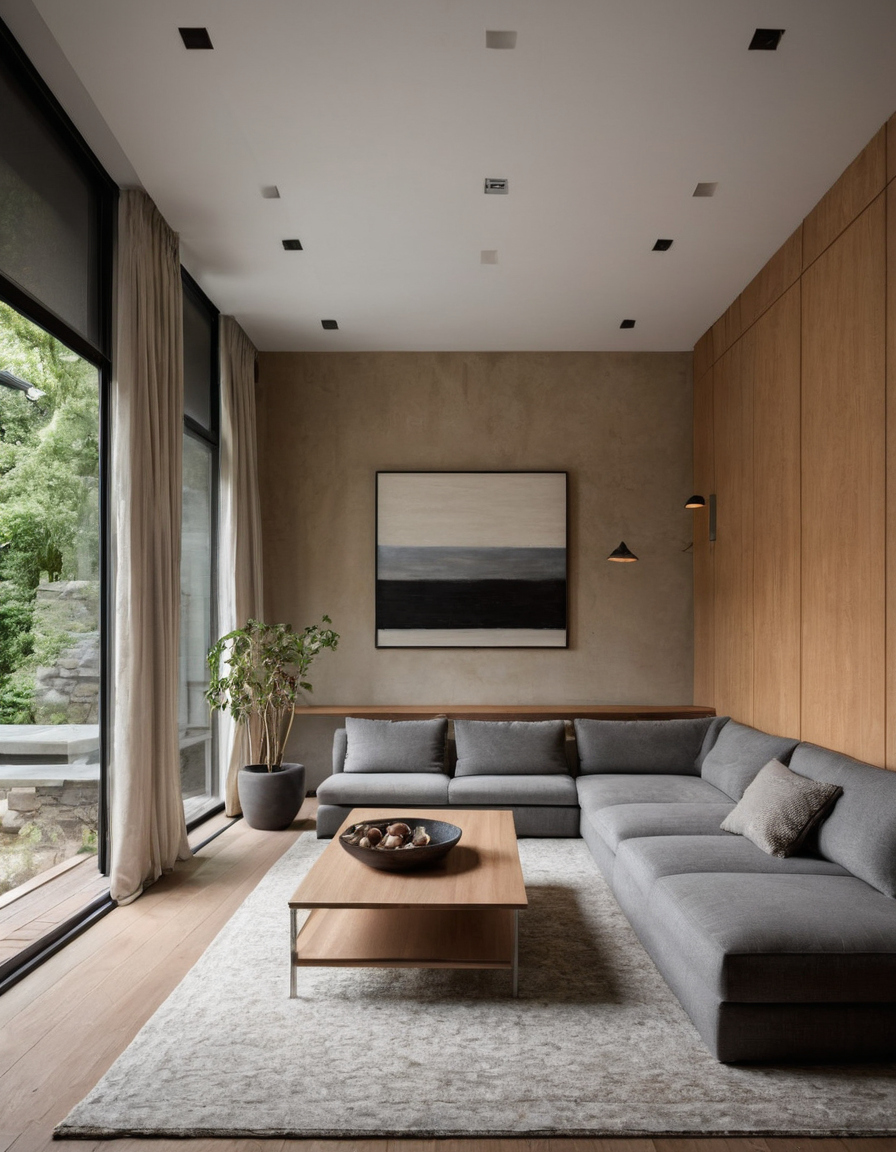
Living room walkways need clear routes around furniture, doors, and shared circulation paths shown as an editorial reference for proportion and finish coordination.
Use layout scenarios to test whether a living room furniture plan is too large, too small, or misaligned
The final living room layout should be stress-tested against the room type, not judged from a product page. A narrow room, square room, open-plan room, and no-entryway apartment each reward different furniture proportions, rug orientation, focal-point choices, and walkway priorities before any purchase is confirmed.
What layout works in a narrow living room with a TV?
A narrow living room usually works best with one main walking route, a slimmer sofa, and a rug laid in the same direction as the room. Put the TV on the short wall when the sofa can face it without blocking a door; use long-wall seating when the screen wall would force circulation through the conversation zone. The common failure is a deep sectional that fits on paper but leaves the balcony door, radiator, or media cabinet unusable.
What layout works in an open-plan living room without wasting floor area?
An open-plan living room needs a visible boundary, not a barricade. Use the sofa back, a correctly sized rug, a low console, or pendant and floor lighting to mark the seating zone while keeping routes clear between kitchen, dining table, balcony, and entry. In a square room, avoid pushing every piece to the wall; in a no-entryway apartment, reserve landing space before adding accent chairs. Minimalist living rooms still need functional clearances, especially around floating furniture.
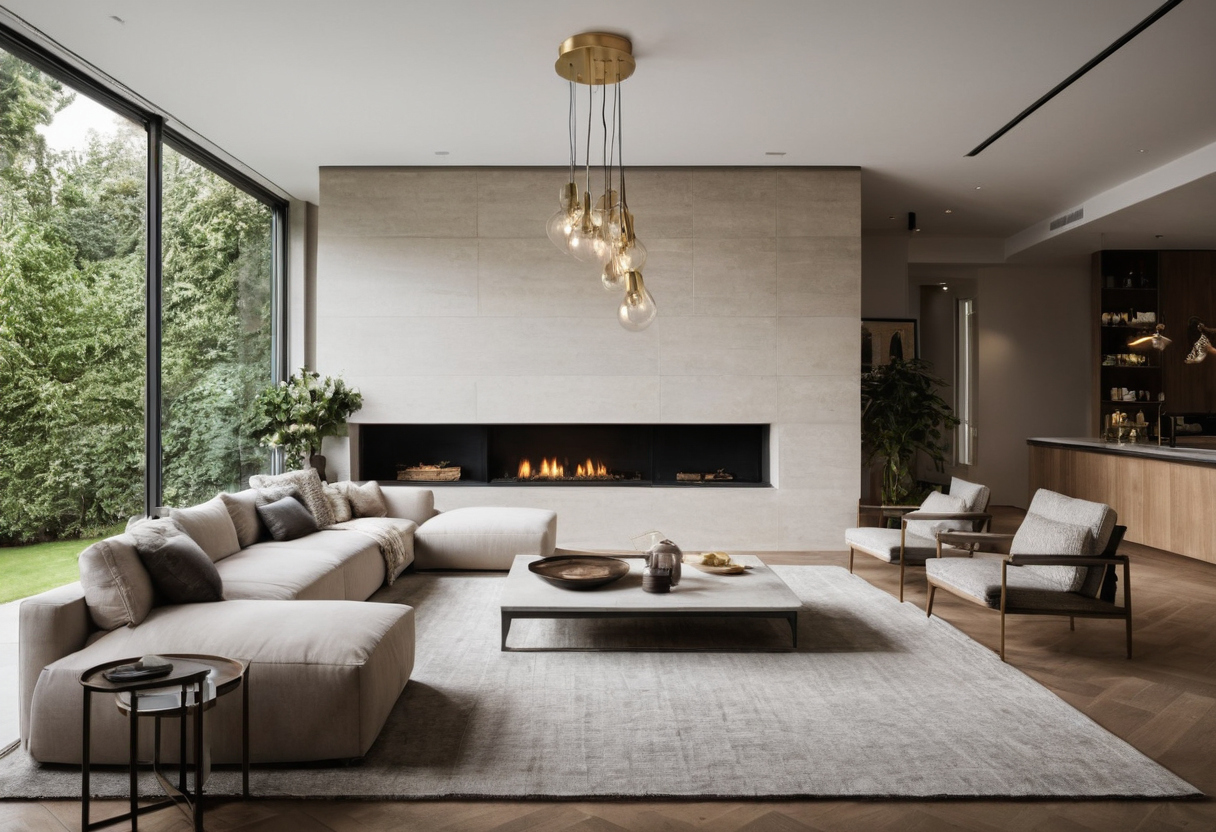
Use layout scenarios to test whether a living room furniture plan is too large, too small, or misaligned shown with finish, fixture, and clearance relationships visible.
What should a buyer check immediately before ordering living room furniture?
- Confirm product dimensions, packaged dimensions, stair turns, elevator size, door swing, and return terms.
- Tape the sofa, rug, coffee table, side tables, and media unit on the floor before paying.
- Check the likely irritations: undersized rug, oversized sectional, unreachable table, TV mounted too high, blocked door, or walkway through seating.
- Match material risk to use: vintage, custom, made-to-order, stone, pale upholstery, and high-pile rugs carry more return or maintenance pressure than flat-pack or modular pieces.
- Plan glare and lamps before final placement; ENERGY STAR states that qualified LED lighting uses at least 75 percent less energy and lasts up to 25 times longer than incandescent lighting.
If the room is expensive, awkward, or timed with renovation work, consider commissioning a furniture layout before a room refresh. The useful decision is simple: buy only after the room has passed the floor-plan test.
FAQ
What is the 3-5-7 rule in decorating, and does it help with living room layout dimensions?
The 3-5-7 rule is a styling idea about arranging objects in odd-numbered groups. It can help shelves, cushions, and accessories feel less stiff, but it does not tell a buyer whether a sofa blocks a door, a rug is large enough, or a coffee table is reachable.
What is the 2-2-1 sofa rule, and when is it less useful than measuring clearances?
The 2-2-1 rule usually refers to a seating mix of two sofas, two chairs, and one accent piece or table. The rule can suggest balance in a large room, but measuring clearances matters more in small, narrow, open-plan, or door-heavy living rooms.
What are the most common living room layout mistakes to avoid before buying furniture?
The most common mistakes are buying a sectional that blocks circulation, choosing a rug too small for the seating group, placing the coffee table outside easy reach, ignoring door swings, forgetting delivery access, and mounting the TV before the sofa position is tested.
What is the 60-30-10 rule for living rooms, and why is it different from furniture sizing?
The 60-30-10 rule is a color-planning guideline: roughly 60 percent dominant color, 30 percent secondary color, and 10 percent accent color. Furniture sizing is a spatial problem, so it depends on lengths, depths, walkways, reach, viewing distance, and maintenance access.
What dimensions should I measure before buying a living room rug, sofa, or coffee table?
Measure the usable room envelope, door and stair access, sofa length and depth, seat height, rug footprint, coffee table distance from the sofa, side table height, media-unit depth, door swings, radiator or vent clearance, and the main walkway through the room.